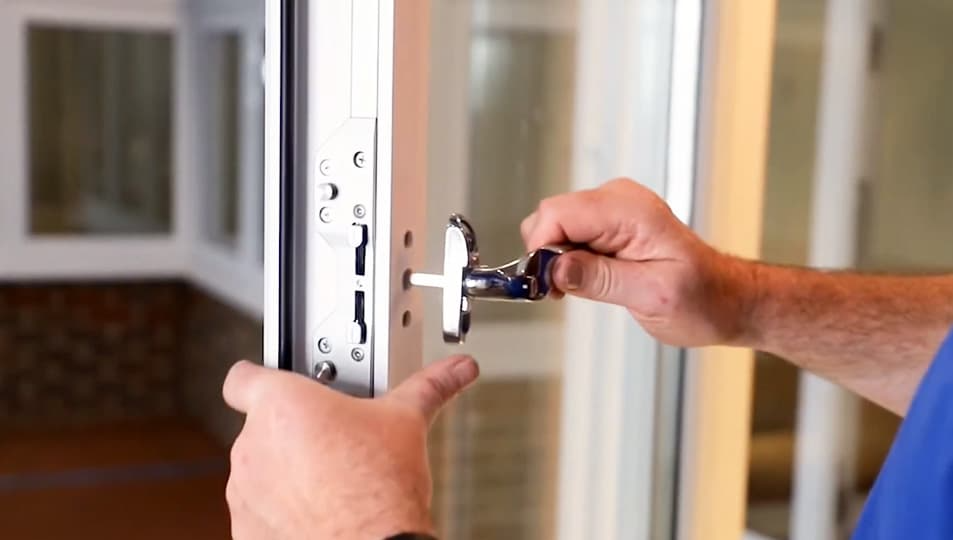
10 Healthy Habits To Use Lock Maintenance
Window Lock Maintenance: Ensuring Security and Efficiency
Windows are an essential part of any home, offering natural light, ventilation, and a view to the outdoors world. However, their security features, particularly the window locks, are often neglected till a problem emerges. Regular upkeep of window locks is vital to ensure they function efficiently, enhancing the total safety and comfort of your home. This article looks into the importance of window lock upkeep, provides step-by-step guidelines for maintenance, and addresses common FAQs to assist you keep your windows safe and secure and effective.
The Importance of Window Lock Maintenance
Window locks are the first line of defense versus trespassers and likewise play a significant function in energy efficiency. When locks are well-kept, they avoid drafts and seal out cold air, lowering heating costs. Additionally, appropriately functioning locks guarantee that your windows can be securely closed, which is important for both safety and comfort. Overlooking window lock maintenance can cause a range of concerns, including trouble in opening and closing, prospective burglaries, and increased energy expenses.
Step-by-Step Guide to Window Lock Maintenance
1. Regular Inspection
- Frequency: Inspect your window locks at least when every six months.
- What to Look For:
- Corrosion or Rust: Check for indications of corrosion, which can deteriorate the lock mechanism.
- Dirt and Debris: Accumulated dirt can jam the lock.
- Wear and Tear: Look for loose or broken parts that may need replacement.
2. Cleaning up the Lock
- Tools Needed: Soft cloth, mild detergent, brush, and lubricant.
- Steps:
- Remove Debris: Use a soft brush or cloth to get rid of any dirt or particles from the lock mechanism.
- Wash with Detergent: If the lock is especially dirty, use a moderate detergent and water to clean it. Ensure the lock is dry before continuing.
- Oil: Apply a small amount of lubricant to the lock to guarantee smooth operation. Silicone-based lubricants are perfect as they do not attract dust and are waterproof.
3. Tightening Up Loose Components
- Tools Needed: Screwdriver.
- Steps:
- Identify Loose Parts: Check for any loose screws or components in the lock system.
- Tighten Screws: Use a screwdriver to tighten any loose screws. Take care not to over-tighten, as this can damage the lock.
- Check the Lock: After tightening, check the lock to ensure it runs efficiently and securely.
4. Replacing Worn or Damaged Parts
- Signs of Wear:
- Sticking or Jamming: If the lock is difficult to run, it might be worn out.
- Noticeable Damage: Cracks, bent parts, or other noticeable damage show the requirement for replacement.
- Actions:
- Identify the Issue: Determine which part of the lock is harmed or worn.
- Purchase Replacement Parts: Visit a local hardware shop or order online to discover the appropriate replacement parts.
- Install New Parts: Follow the manufacturer's instructions to install the new parts. If you are uncertain, think about working with a professional.
5. Changing the Lock Mechanism
- Tools Needed: Screwdriver, pliers.
- Steps:
- Check Alignment: Ensure the lock and strike plate are properly lined up. Misalignment can cause the lock to stick or not engage fully.
- Change the Strike Plate: If the strike plate is out of positioning, use a screwdriver to loosen it, and carefully move it into the appropriate position. Retighten the screws.
- Test the Lock: After modification, test the lock to guarantee it works efficiently.
6. Winter season Preparation
- Why It Matters: Extreme cold can cause window locks to freeze, making them hard to operate.
- Steps:
- Apply Anti-Freeze Lubricant: Use a lubricant created for cold weather to coat the lock mechanism.
- Look for Drafts: Ensure the window is effectively sealed to prevent cold air from getting in.
- Keep the Area Clear: Remove any ice or snow that may build up around the lock to prevent freezing.
7. Summer season Maintenance
- Why It Matters: High temperatures and humidity can trigger locks to swell or stick.
- Steps:
- Apply Weather-Resistant Lubricant: Use a lubricant that is appropriate for high-temperature environments.
- Inspect for Swelling: If the window frame swells, it might affect the lock's operation. Consider using repairmywindowsanddoors to reduce wetness in the air.
- Inspect Seals: Check the window seals to guarantee they are undamaged and not jeopardized by heat and humidity.
Typical FAQs about Window Lock Maintenance
1. How often should I oil my window locks?
- Response: Lubricate your window locks a minimum of when a year, or more frequently if they are exposed to extreme weather. Utilize a silicone-based lube for best outcomes.
2. Can I use WD-40 to lubricate my window locks?
- Response: While WD-40 can be used in a pinch, it is not the finest option for long-lasting maintenance. WD-40 is a solvent and can draw in dirt, causing quicker wear and tear. It is better to utilize a silicone-based lube, which is more durable and less most likely to draw in dirt.
3. What should I do if my window lock is stuck?
- Response: If your window lock is stuck, try the following actions:
- Clean the Lock: Remove any dirt or particles that might be triggering the lock to stick.
- Lubricate: Apply a percentage of lubricant to the lock mechanism.
- Examine for Damage: Inspect the lock for any visible damage. If the lock is damaged, it may require to be replaced.
4. How can I prevent my window lock from freezing in winter?
- Response: To avoid your window lock from freezing in winter:
- Apply Anti-Freeze Lubricant: Use a lubricant particularly designed for cold weather condition.
- Keep the Area Clear: Remove any ice or snow that might collect around the lock.
- Use a Hair Dryer: If the lock does freeze, use a hair clothes dryer to carefully warm it up, which can help launch the ice.
5. What should I do if my window lock is harmed beyond repair?
- Response: If your window lock is harmed beyond repair, you will require to replace it. Here's what to do:
- Identify the Lock Type: Determine the type of lock you have and purchase a compatible replacement.
- Follow Installation Instructions: Carefully follow the manufacturer's instructions for setup.
- Consider Professional Help: If you are unsure about the installation, consider hiring an expert locksmith or handyman.
Additional Tips for Window Lock Maintenance
- Regular Cleaning: Make it a practice to clean your window locks routinely, particularly if you live in a dirty or polluted area.
- Check for Paint Buildup: If your windows are painted, guarantee that paint does not construct up in the lock system, as this can cause it to stick.
- Keep a Maintenance Log: Keeping a log of your upkeep activities can help you remain on track and determine any recurring problems.
Keeping your window locks is a simple yet vital task that can substantially enhance the security and performance of your home. By following the actions described in this guide, you can make sure that your window locks remain in leading condition, offering a safe and comfortable living environment. Routine assessment, cleaning, tightening up, and adjustment are key to keeping your locks functioning efficiently, while winter and summer-specific upkeep can assist them stand up to severe weather. Do not wait for a problem to develop— begin executing these maintenance practices today to keep your home safe and secure and energy-efficient.
Resources for Further Reading
- Window Lock Types: Understanding the different kinds of window locks and their mechanisms.
- Expert Lock Installation: Tips for working with an expert locksmith for lock setup and upkeep.
- DIY Window Repair: Comprehensive guide to DIY window repair and upkeep.
By taking a proactive approach to window lock upkeep, you can delight in assurance and a well-protected home.